
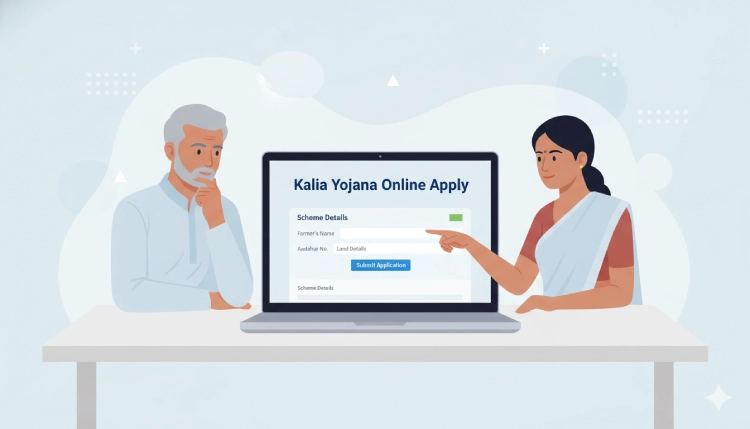
The Odisha government introduced the KALIA scheme to provide direct income and livelihood support to farmers and landless agricultural families. Through the Kalia Yojana online apply, eligible citizens can register digitally without visiting government offices, making the process simpler and more transparent for rural households.
This article explains how the online application works, who can apply, and what documents are required. It also covers how applicants can track their records and understand related schemes, helping readers complete the process correctly and avoid common mistakes.
What Is Kalia Yojana, and Why Does It Matter?
Kalia Yojana is a welfare initiative designed to support small and marginal farmers, sharecroppers, and agricultural laborers in Odisha. The scheme focuses on financial assistance, livelihood support, and social security benefits. By offering a digital application option, the government ensures faster processing and wider access for beneficiaries across districts.
The online system reduces paperwork and allows applicants to submit accurate information from home or local service centers. This approach improves accountability and helps applicants stay informed about their application progress.
Kalia Yojana Online Apply: Complete Registration Process
The Kalia Yojana online apply process is user-friendly and designed for first-time applicants as well as those updating existing details. Applications are submitted through the official Kalia portal, which acts as the central platform for registration and verification.
Applicants must enter personal details, land information, and bank account data carefully. Once submitted, the system generates a reference number for future tracking. It is important to review all entries before final submission to avoid delays caused by incorrect information.
Within the first few stages of application guidance, the scheme is often discussed alongside CM Kisan Yojana Odisha, as both programs aim to strengthen farmer welfare through direct benefit transfers.
Eligibility Criteria for Applicants
Understanding eligibility is essential before applying online. The scheme covers specific categories of rural residents involved in agriculture-related activities.
- Small and marginal farmers owning limited cultivable land
- Landless agricultural laborers dependent on farming income
- Permanent residents of Odisha with valid identification
- Applicants with an active bank account linked to Aadhaar
Applicants who do not meet these criteria may face rejection during verification, so confirming eligibility beforehand is strongly advised.
Documents Required for Online Application
Submitting accurate documents ensures smooth verification and timely approval. Applicants should keep both original and digital copies ready.
- Aadhaar card for identity verification
- Residence proof showing Odisha address
- Bank passbook or account details
- Land records or self-declaration, if applicable
Clear and updated documents reduce the chances of application discrepancies during review.
How to Check Application Progress and Records
After submission, applicants can monitor their application using the reference number. The system allows users to check Kalia Yojana Status online, helping them stay informed without repeated follow-ups.
Beneficiaries can also view the Kalia Yojana list to confirm inclusion after verification. Regular updates on the portal reflect changes in approval, payment schedules, or required corrections, making it easier to respond promptly if needed.
Common Mistakes to Avoid During Online Apply
Many applications face delays due to avoidable errors. Paying attention to details can prevent unnecessary issues.
- Entering incorrect Aadhaar or bank account numbers
- Uploading unclear or expired documents
- Submitting incomplete personal or land details
- Ignoring confirmation messages after submission
Double-checking all information before final submission helps ensure a smooth approval process.
Helpful Guidance for Applicants
Applicants should apply only through official channels and avoid sharing personal details with unverified sources. Keeping a copy of the application reference number and submitted documents is useful for future communication. Staying updated with official announcements helps beneficiaries understand timelines and changes in guidelines.